
History
Rabbit r1: a separate device for AI tasks
At CES 2024 Rabbit showed the r1, a small box that would do tasks by voice. Mostly it showed that a phone app is often enough.
What happened
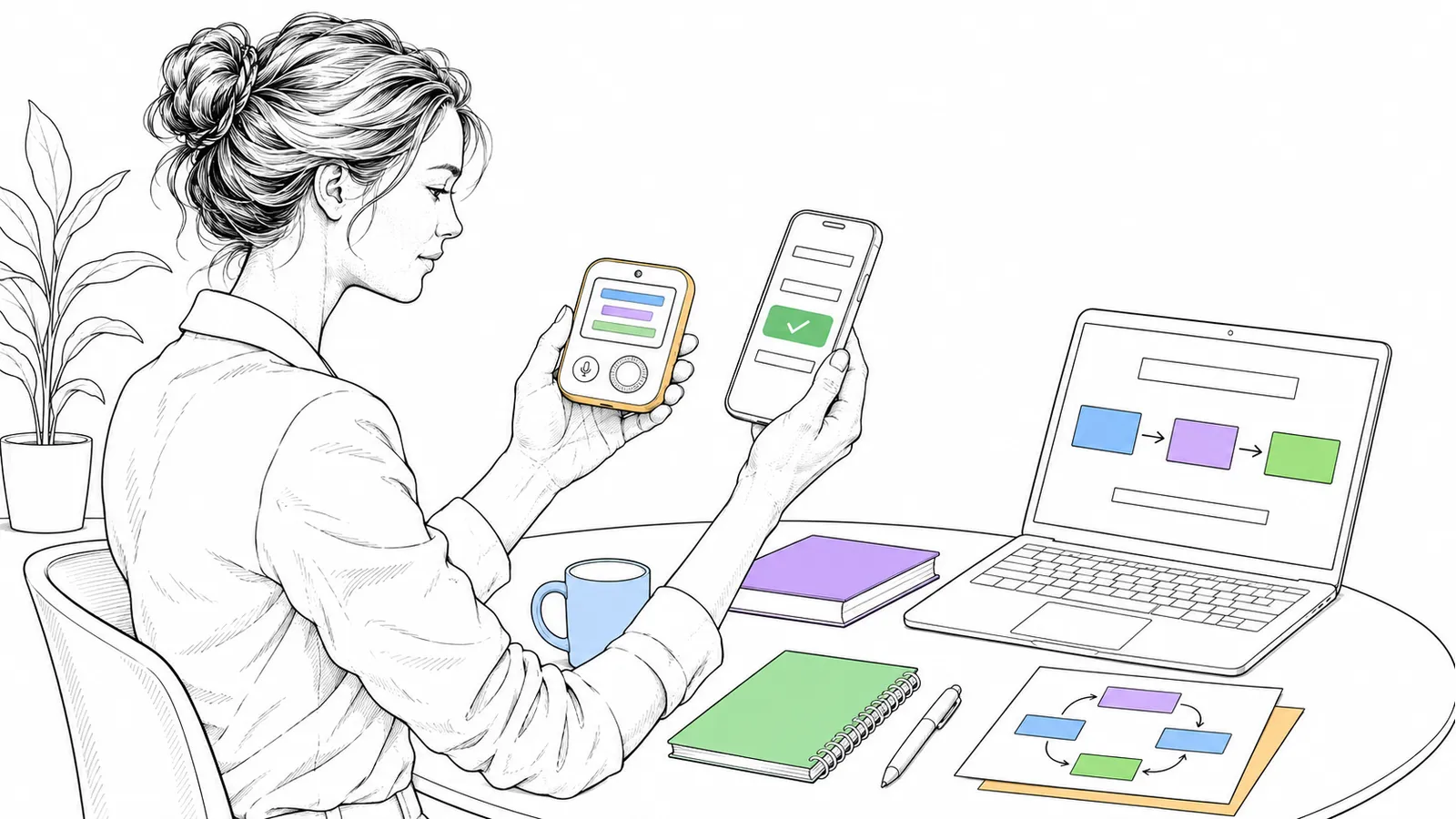
On 9 January 2024 the American company Rabbit showed the r1 at the CES fair. It is a small box with a 2.88-inch screen, a push-to-talk button, a scroll wheel and a camera. Teenage Engineering co-designed it. Rabbit said that a “large action model” could operate websites and services for the user: music, a ride, a food order.
After the fair Rabbit sold 130,000 units. In August 2024 sales opened in the European Union.

Why it mattered then
The r1 was one of the first attempts to put an AI assistant in its own device. Reviews were critical. A journalist at Android Authority installed the r1 software on a normal Pixel phone. The founder confirmed that the system runs on Android, but denied that it is “just an app”. Rabbit then shipped weekly updates to fix the criticism.

What it means now
For a small or mid-sized company the lesson is simple: do not buy a new device for something an app on your phone or laptop already does. The value is in software that really finishes a task, not in the box. Two years later normal chat apps and browser agents do much of what the r1 promised, on devices you already own.