
History
Phi-3: Microsoft shows that small also works
Microsoft released Phi-3-mini, an open language model with 3.8 billion parameters that runs on a laptop and handles up to 128,000 tokens of text.
What happened
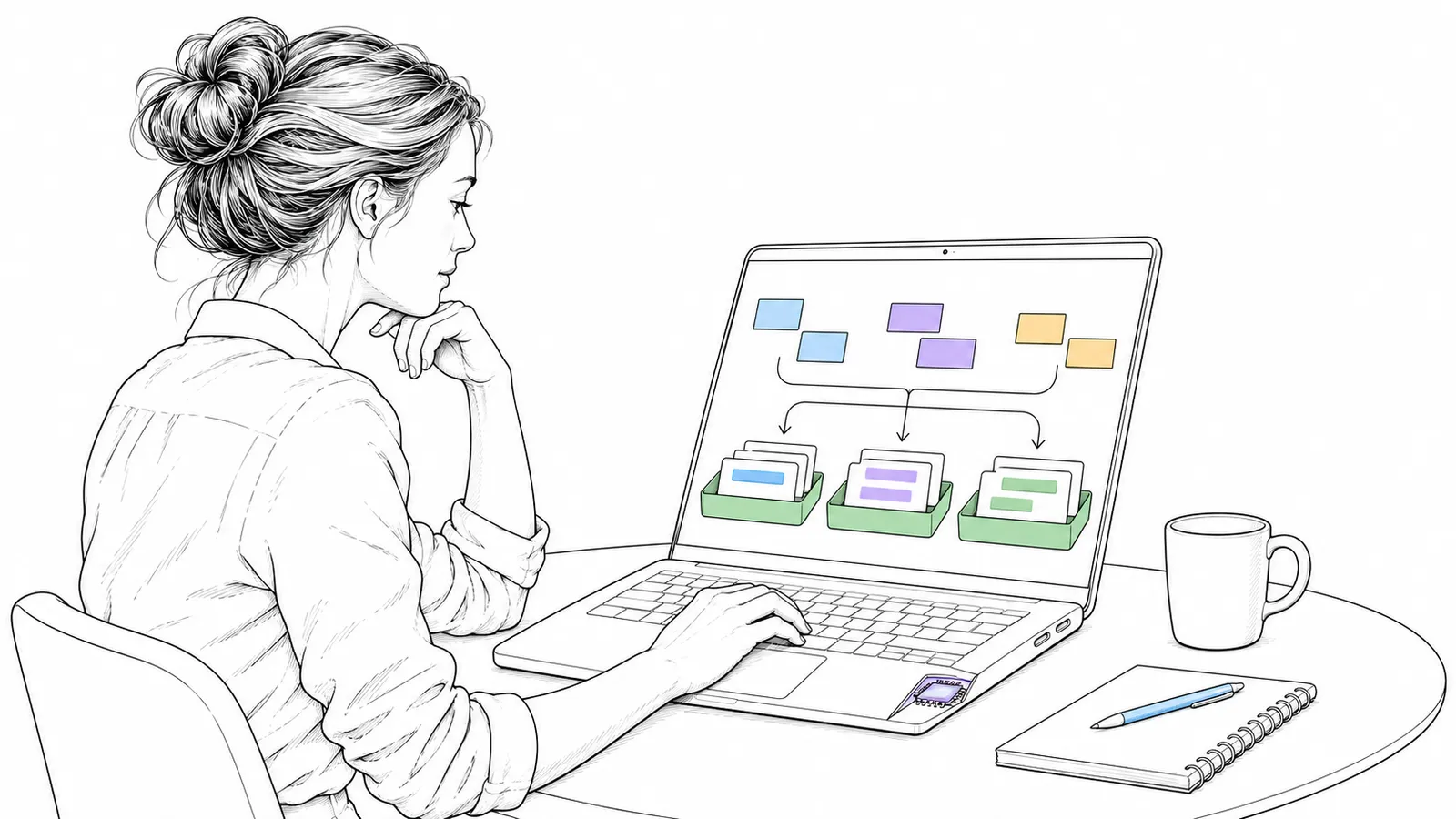
On 23 April 2024 Microsoft announced Phi-3, a family of open small language models. The first model was Phi-3-mini, with 3.8 billion parameters. It was available at once on Azure, Hugging Face and Ollama. Ollama is a program to run models on your own computer. Phi-3-mini came in two versions: one for 4,000 and one for 128,000 tokens of context. Context is the amount of text the model can read at once. Larger siblings, Phi-3-small (7B) and Phi-3-medium (14B), followed later.
Microsoft said the models score better than models of the same size and the next size up, on tests for language, reasoning, code and maths.
Why it mattered then
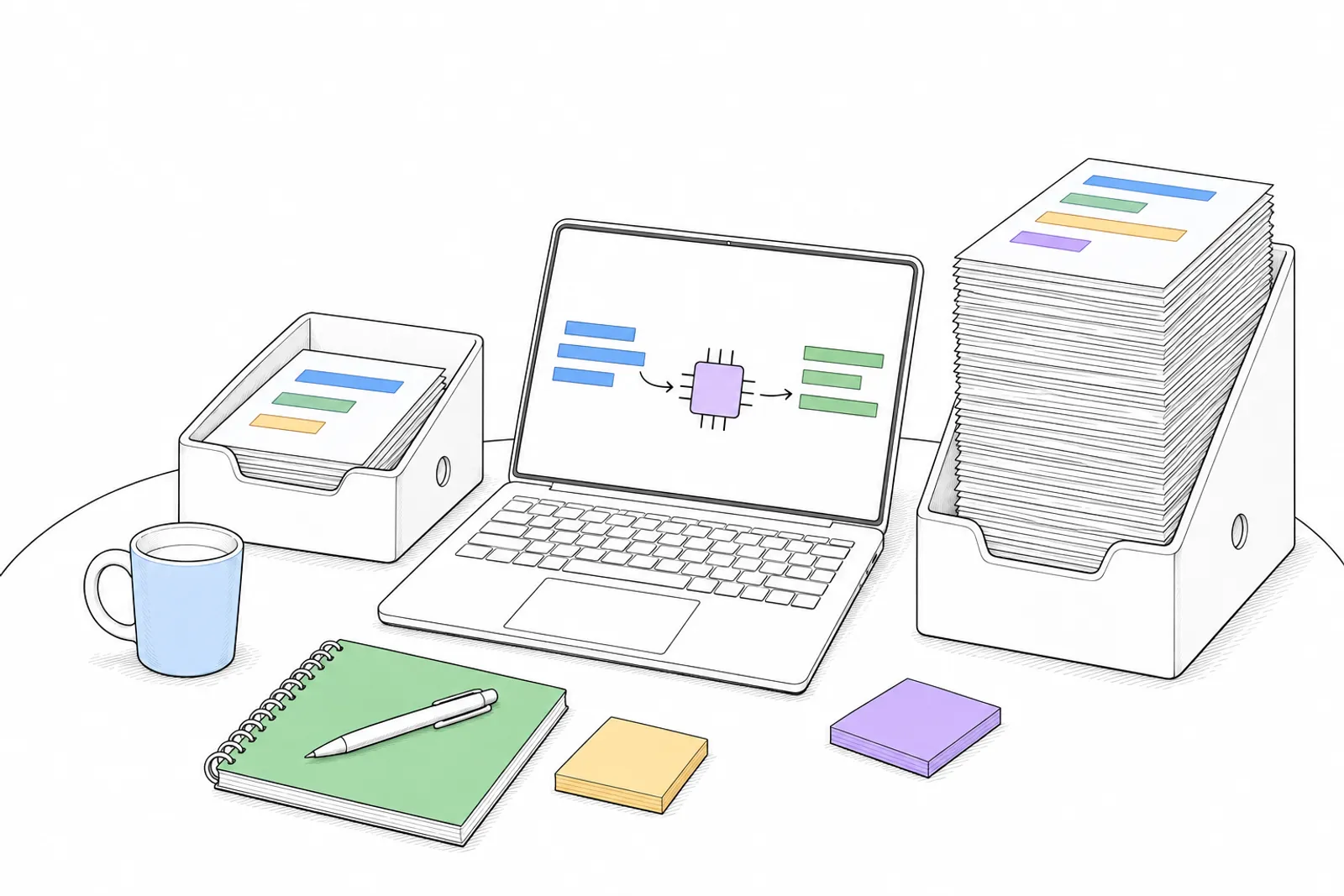
Most attention went to ever larger models. Phi-3 showed that a small model with well-chosen training data can do a lot. It runs on a laptop, and according to Microsoft even on mobile hardware.
What it means now
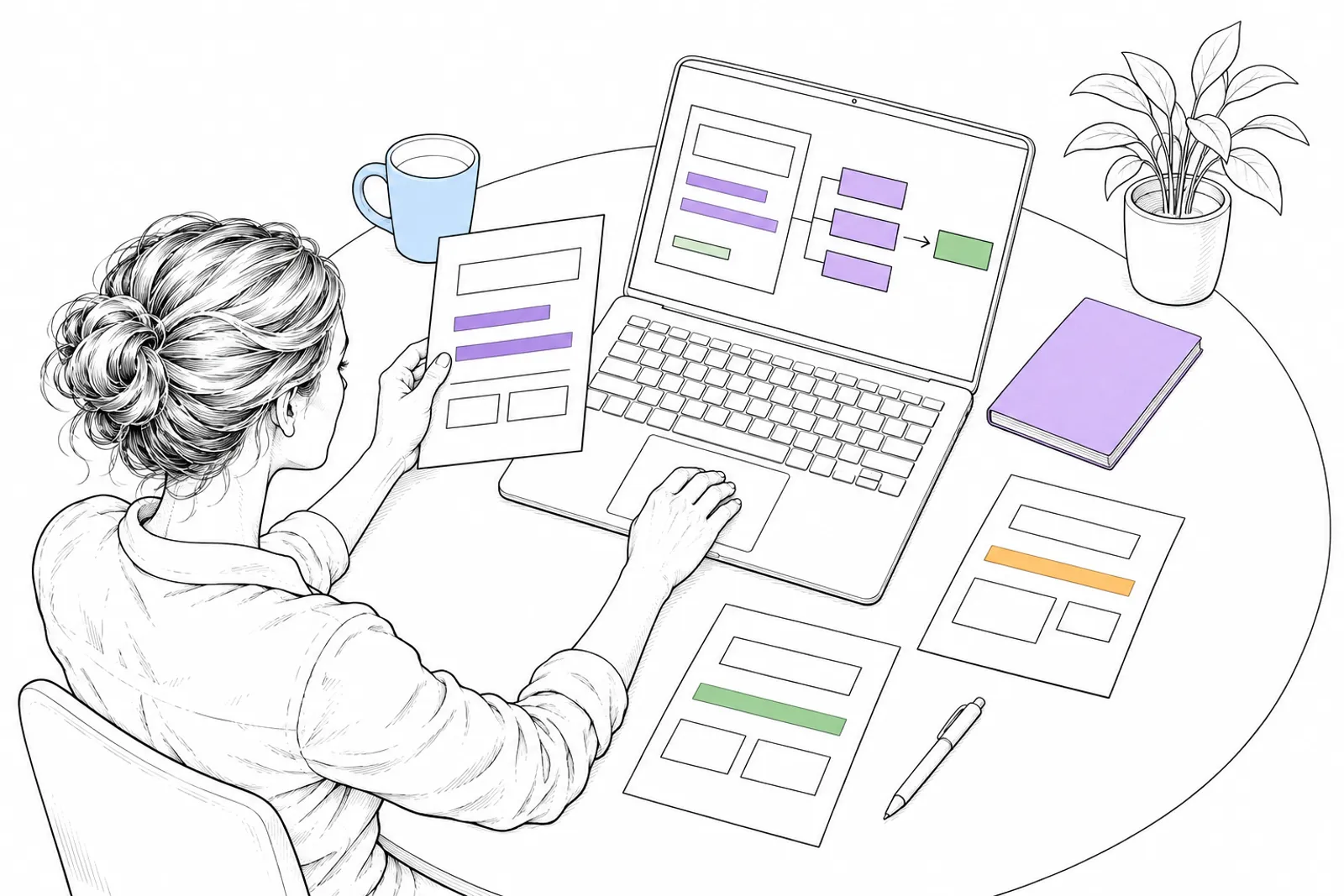
A small model suits fixed, simple tasks: sorting text, taking data out of a form, a short summary. It works without internet and the data does not leave your computer. For hard questions or long reasoning a large model is still better. So always test on your own examples before you choose.