
History
Sol and Luna expand the GPT-6 family
GPT-6 Sol and GPT-6 Luna appeared on 22 September 2026 alongside the previously introduced Astra.
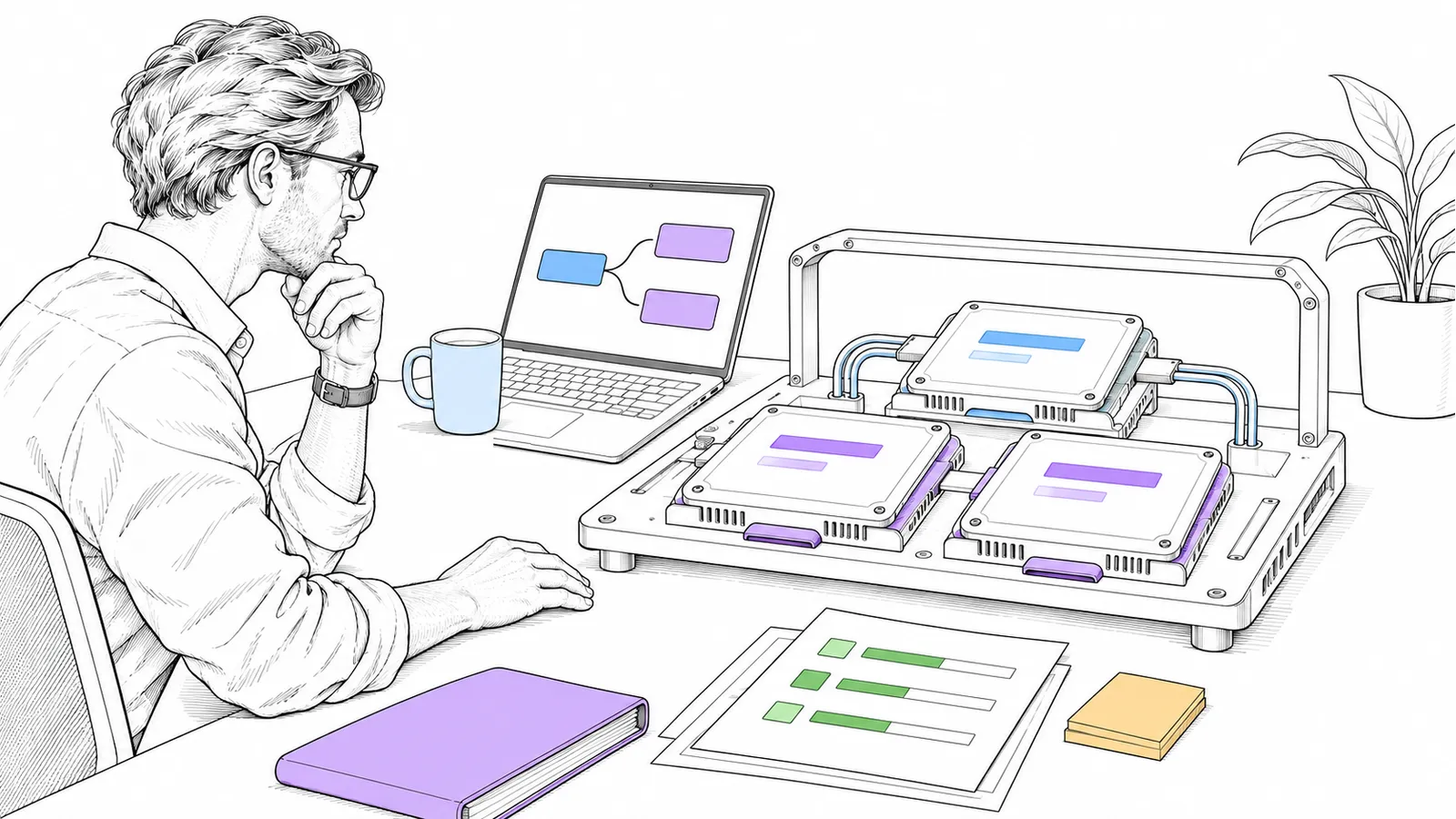
A model choice is not complete with just a generation name. GPT-6 Sol and GPT-6 Luna appeared on 22 September 2026. The Wikipedia article on GPT-6 places this release after the introduction of Astra. GPT-6 therefore included several names that needed to be distinguished in a comparison.
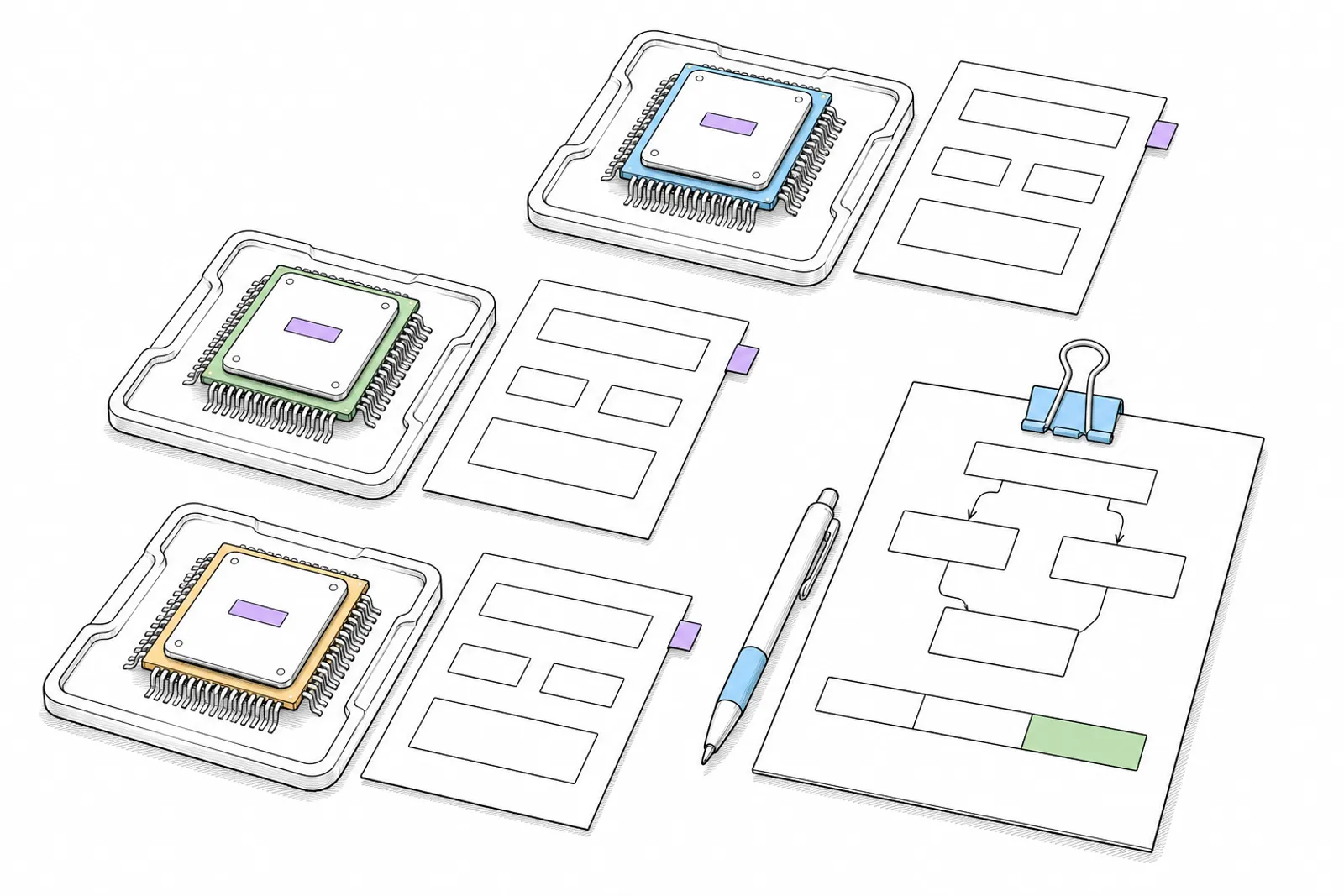
The historical importance was that expansion of the family. The news gives no reason to treat Sol, Luna and Astra as interchangeable choices. The source confirms the models and date, but that does not establish which variant fits a particular business task.

For a small business, a trial with a fixed end product helps. Choose a short explanation based on a public manual, for example. Give the same instruction and check the same conditions. Record the full model name beside each answer. This prevents two results later ending up under one unclear label.
Also assess how much work is needed to turn the answer into a useful instruction. This connects the comparison to your daily practice. Then choose which variant to investigate further. Want a model comparison your team can follow? Discuss your task with Denkbaar.