
Knowledge
Agentic coding: tips and the skills we use
A coding agent writes fast. With a fixed frame it also writes well: one goal, a test first, small commits and skills you reuse everywhere.
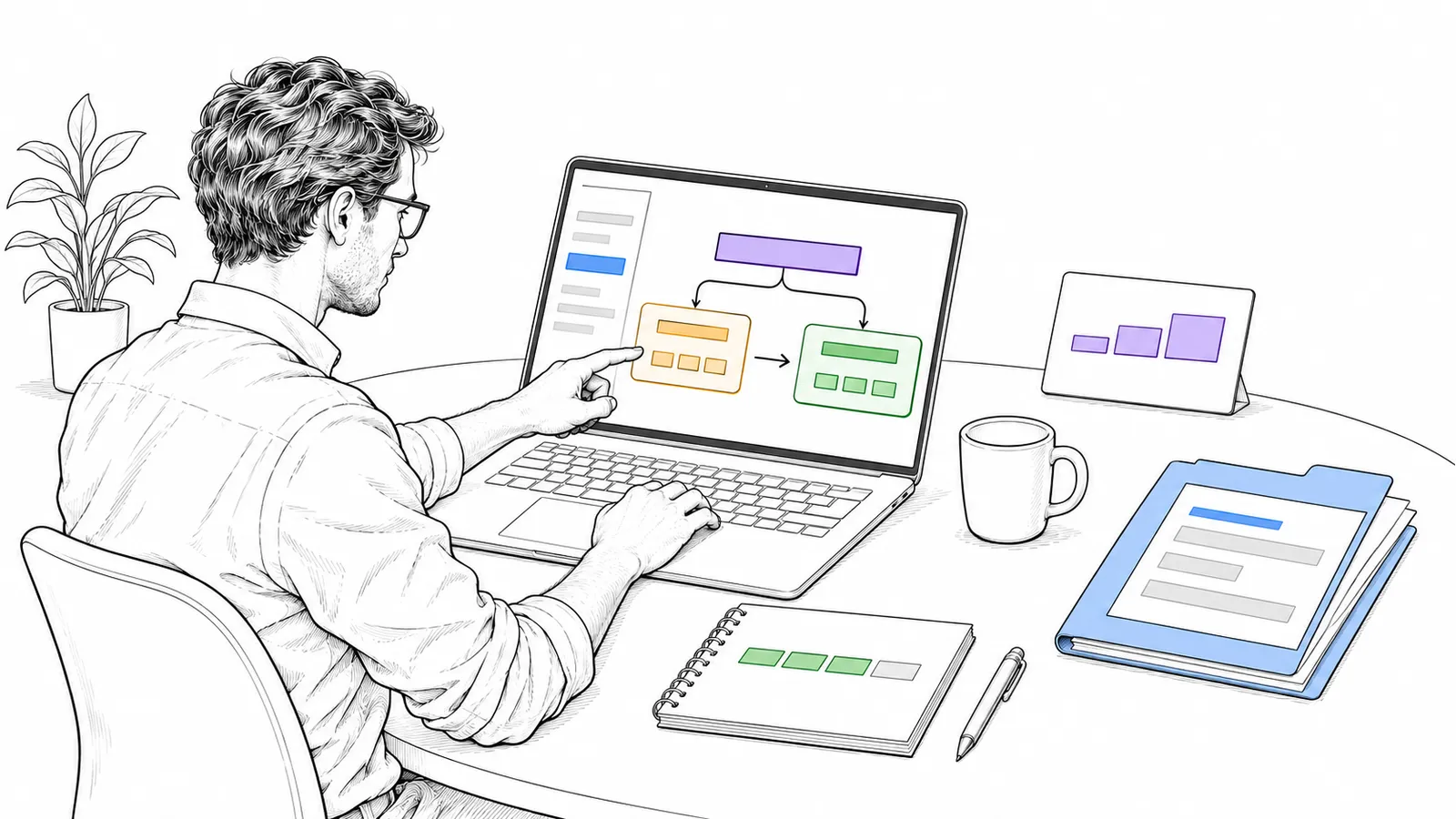
Agentic coding is programming in which an AI agent writes the code, runs the tests and fixes errors. You give the goal and check the result.
Plain technical English A coding agent reads your project, writes code and runs commands. A skill is a folder with instructions that the agent loads for one kind of task. A test decides if the work is done.
Why it matters
In one hour, an agent writes more code than you can read in a day. Without a frame, you get a lot of code that nobody understands and nobody tested. With a fixed frame, you get small steps that you can review.
How it works
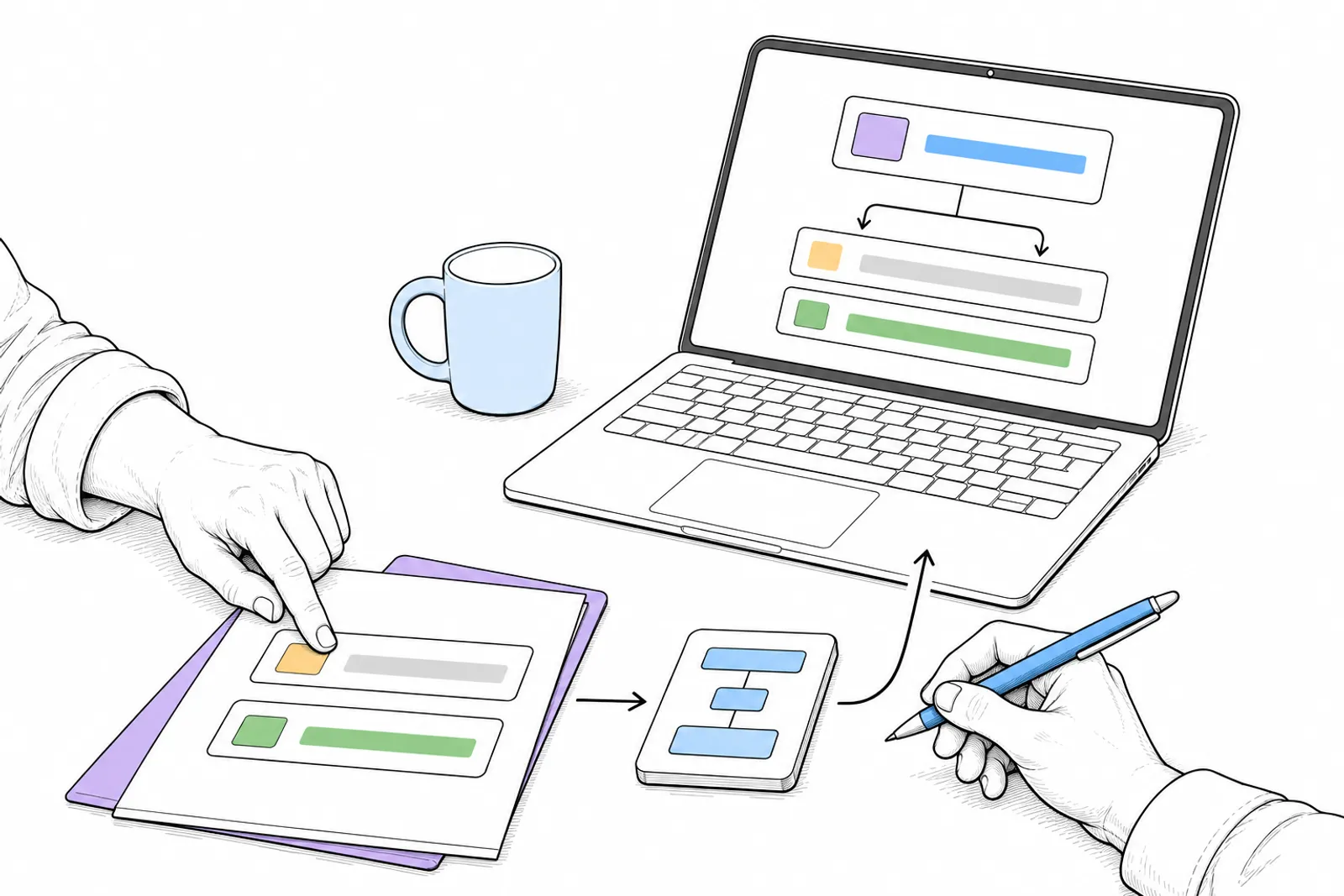
One goal, a red test first, then code until it is green, then a small commit and a fresh look.

What you do
- One goal per task, with the command that proves it works.
- Test first. See it fail for the right reason, then make it pass.
- Small commits. We keep a limit of 400 changed lines and 10 files per commit. A check blocks anything larger; then you split it.
- Each agent its own working folder (a git worktree), so that agents do not overwrite each other’s work.
- Look at the screen. A test does not tell you if something looks right. Take a screenshot on phone and desktop.
- Never skip a check to finish sooner.
The skills we use, and where they come from:
karpathy-guidelines: think before coding, simplicity first, only the needed changes, work towards a testable goal. Derived from observations by Andrej Karpathy.test-driven-development,systematic-debugging,verification-before-completion,writing-skills: from obra/superpowers (MIT).ui-ux-pro-max: a searchable collection of design rules (MIT).humanizer: removes signs of AI writing from a text (MIT).clear-writing: our own writing style, short and exact.
We copy skills word for word and record the source and licence of each copy. We do not rewrite them as our own version.
What we can do with you: we set up this way of working in your team or project, with the checks included. Book a conversation.