
Knowledge
Claude and Codex together: Claude directs, Codex builds, Claude reviews
Two coding agents from two makers, each with its own role. What it brings, and where it went wrong.

We work with two coding agents: Claude Code from Anthropic and Codex from OpenAI. Claude directs and checks, Codex programs. Sometimes that is also cheaper.
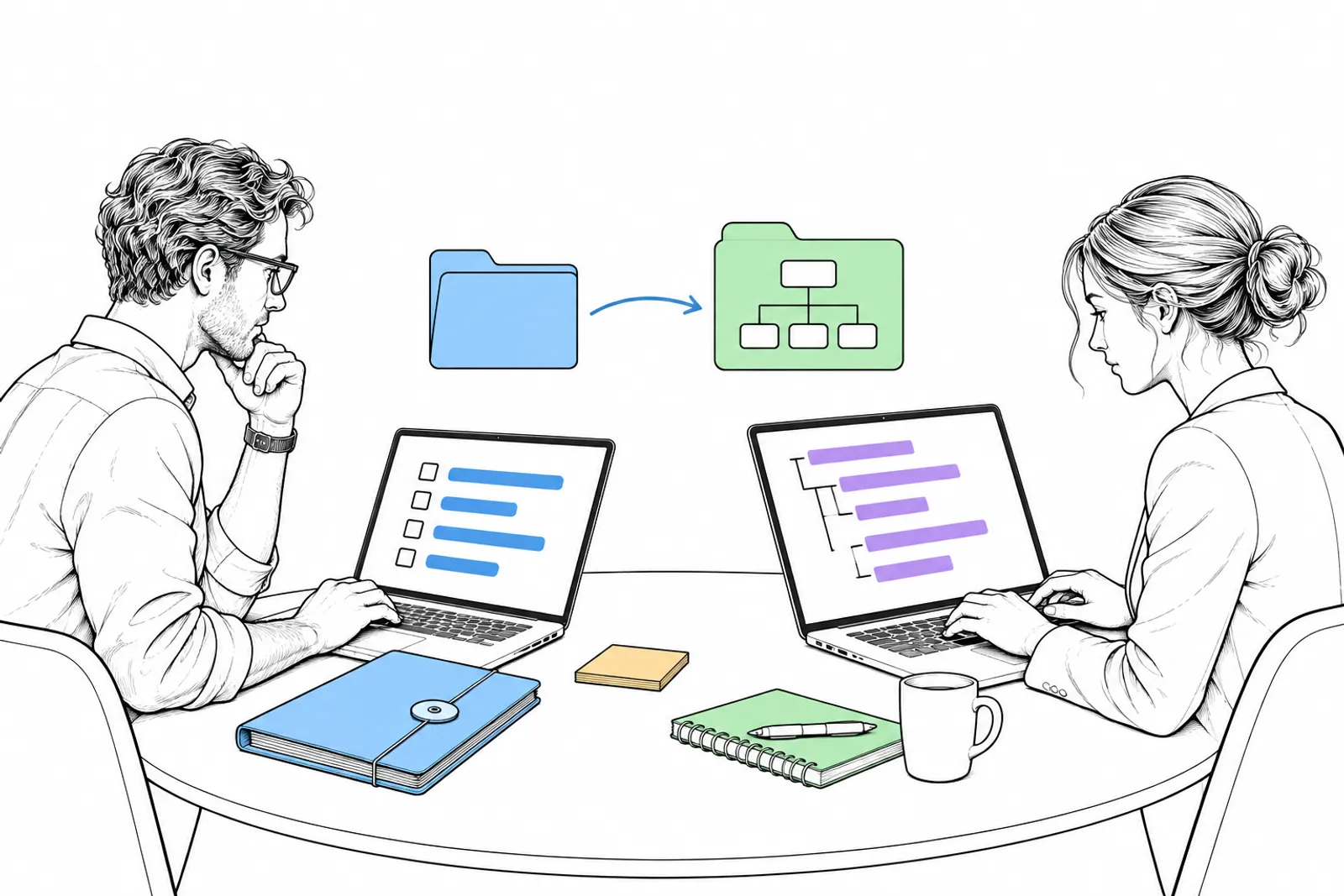
Plain technical English Claude Code splits the work and writes a task for each part. Codex CLI carries out the task in its own git worktree. Claude reads the result and approves it or sends it back.
Why it matters
An agent that reviews its own work does not see its own mistakes. A second model, from another maker, looks differently. And each model has its own strengths: Claude cannot draw images itself, but it can direct Codex or an image model.
How it works
Claude writes the task, Codex builds and tests, Claude rejects or approves.
This is how it grew at Denkbaar, according to our own commits and sessions:
- March 2026: a first skill in which Claude calls Codex CLI as a second reviewer.
- May 2026: Codex becomes our second coding agent; at the end of May, the first commit that Codex co-wrote.
- October 2026: we make designs in Claude Design; Codex rebuilds them. Codex cannot read those designs itself, so a Claude agent first puts the screens into the project as files.
What you do
- Give each agent one role. Building and reviewing go to two different agents.
- Write the task so that it stands on its own. Codex cannot ask back.
- Arrange the report back. In October 2026 we counted 60 Codex starts in our sessions. After a finished run, it was often silent for 25 to 80 minutes, because nobody picked up the result. The problem was not the building, but the report back.
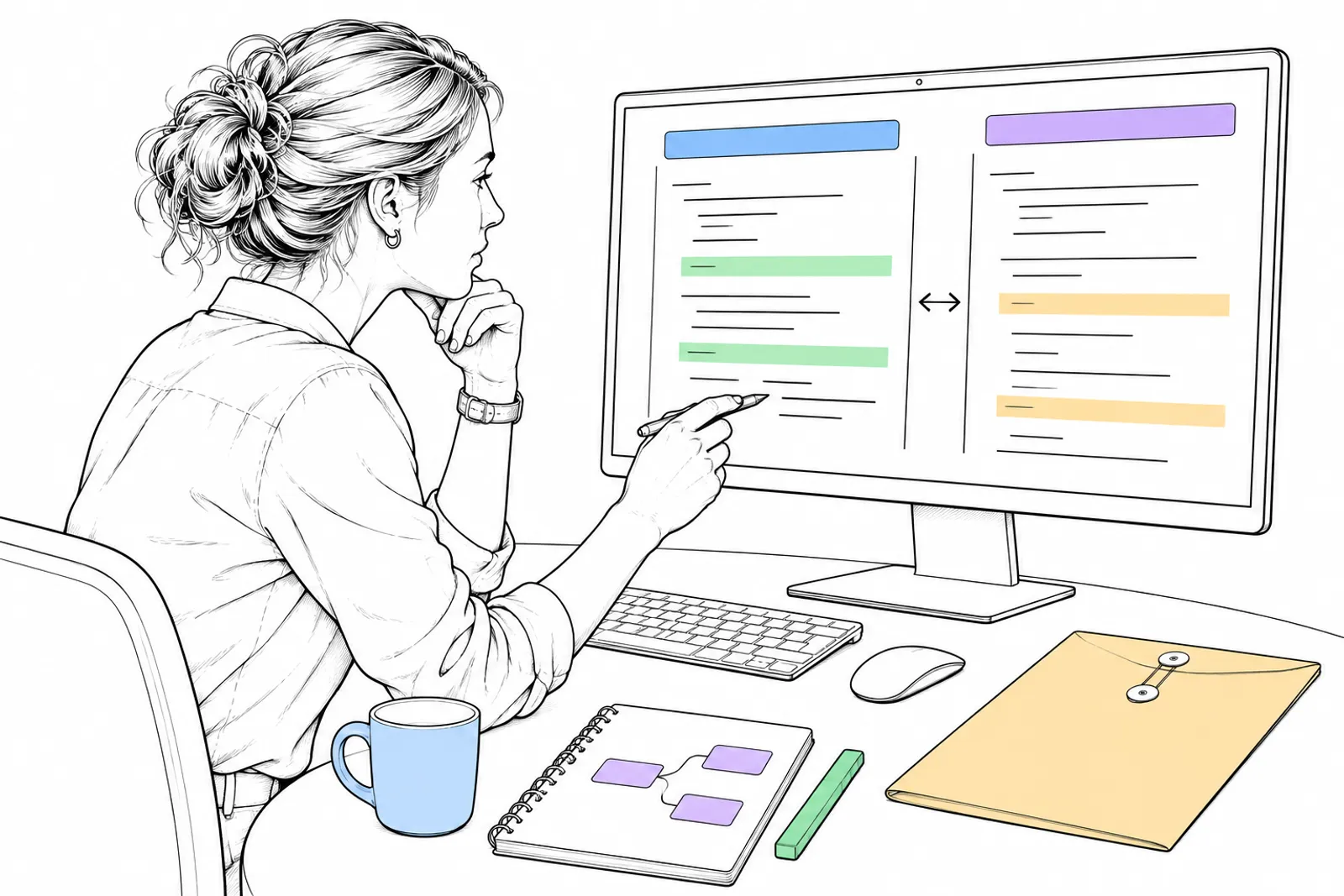
- Let the reviewer read the code, not the builder’s explanation.
What we can do with you: we set up a team of agents that builds and reviews, with clear roles and reports. Book a conversation.