
Knowledge
Open source or open core: read the licence
Open source, open core, open weights, fair-code: it sounds the same, but what you may do differs a lot.
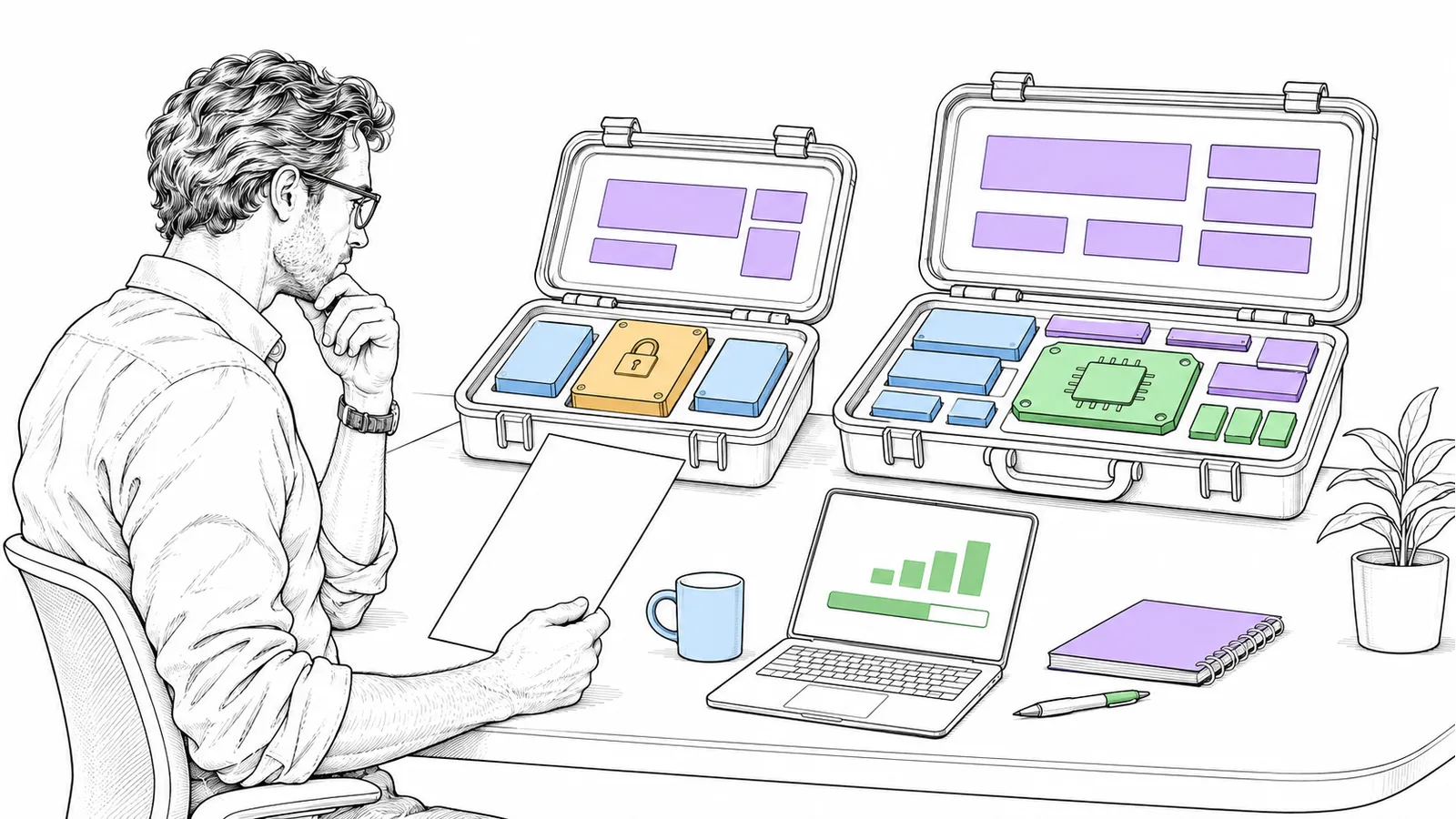
Software that is called “open” is not always free to use. The difference is in the licence, and the licence decides how locked in you are later.
Plain technical English Open source means: the licence meets the OSI’s Open Source Definition. Open core means: the core is open source, the paid extras are closed. Open weights only means that you may download a model.
Why it matters
You build your business process on software. If the key feature sits in the closed layer, or if the licence limits business use, you are tied to one vendor. Open source software that you install yourself and adapt to your needs is often more powerful and faster than building something from scratch.
How it works
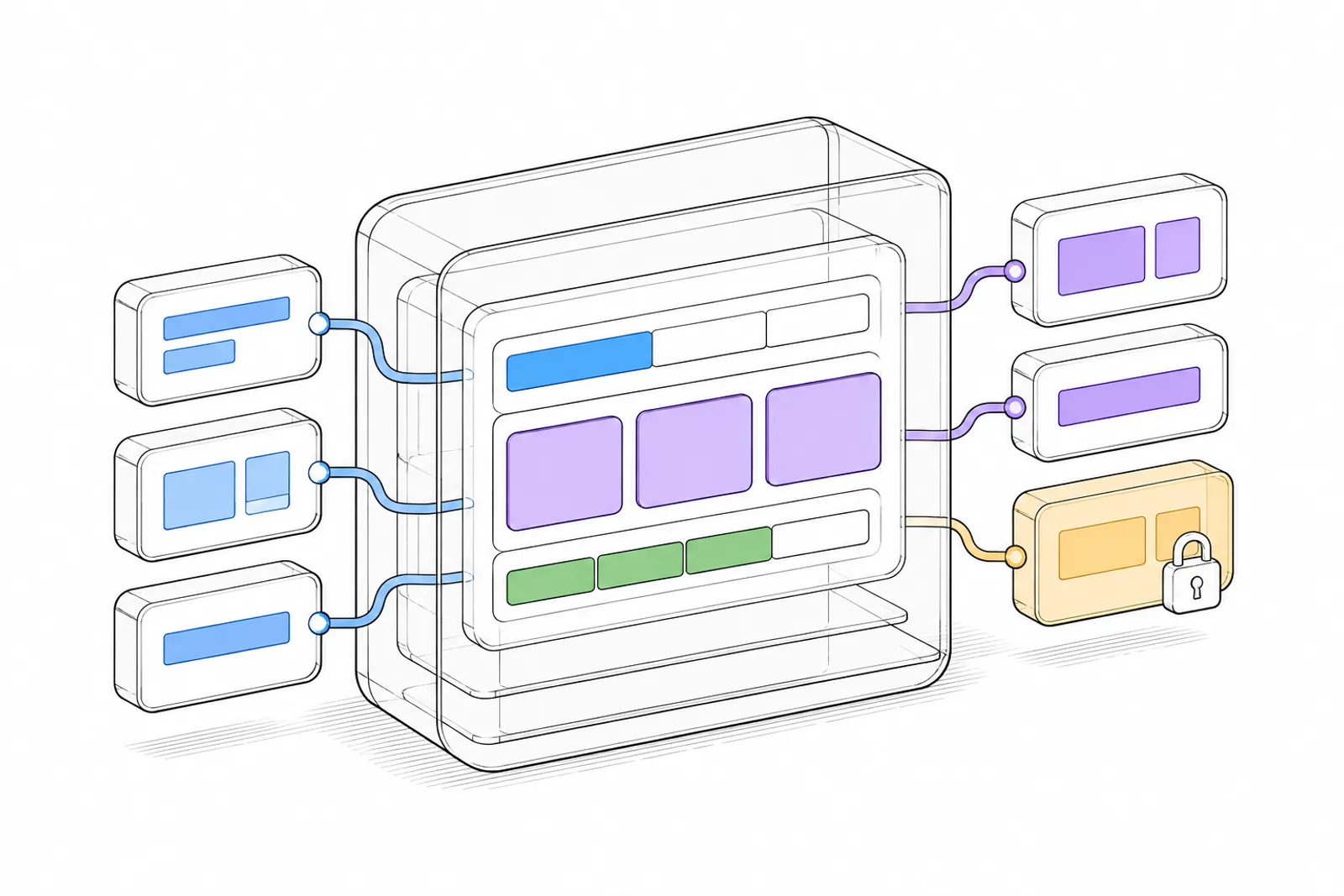
The same word “open” leads, through the licence, to four very different situations.
- Open source: the Open Source Definition says, among other things, that a licence may not exclude any person or any field of endeavour.
- Open core: a business model with an open core and closed paid extensions. According to Wikipedia, Andrew Lampitt coined the term in 2008, and many developers do not see it as true open source.
- Fair-code: n8n uses the Sustainable Use License. Use for your own internal business purposes is allowed; redistribution only free of charge and non-commercial.
- Open weights: Mistral Large 2 came under a research licence: running it yourself in business needs a separate licence.
What you do
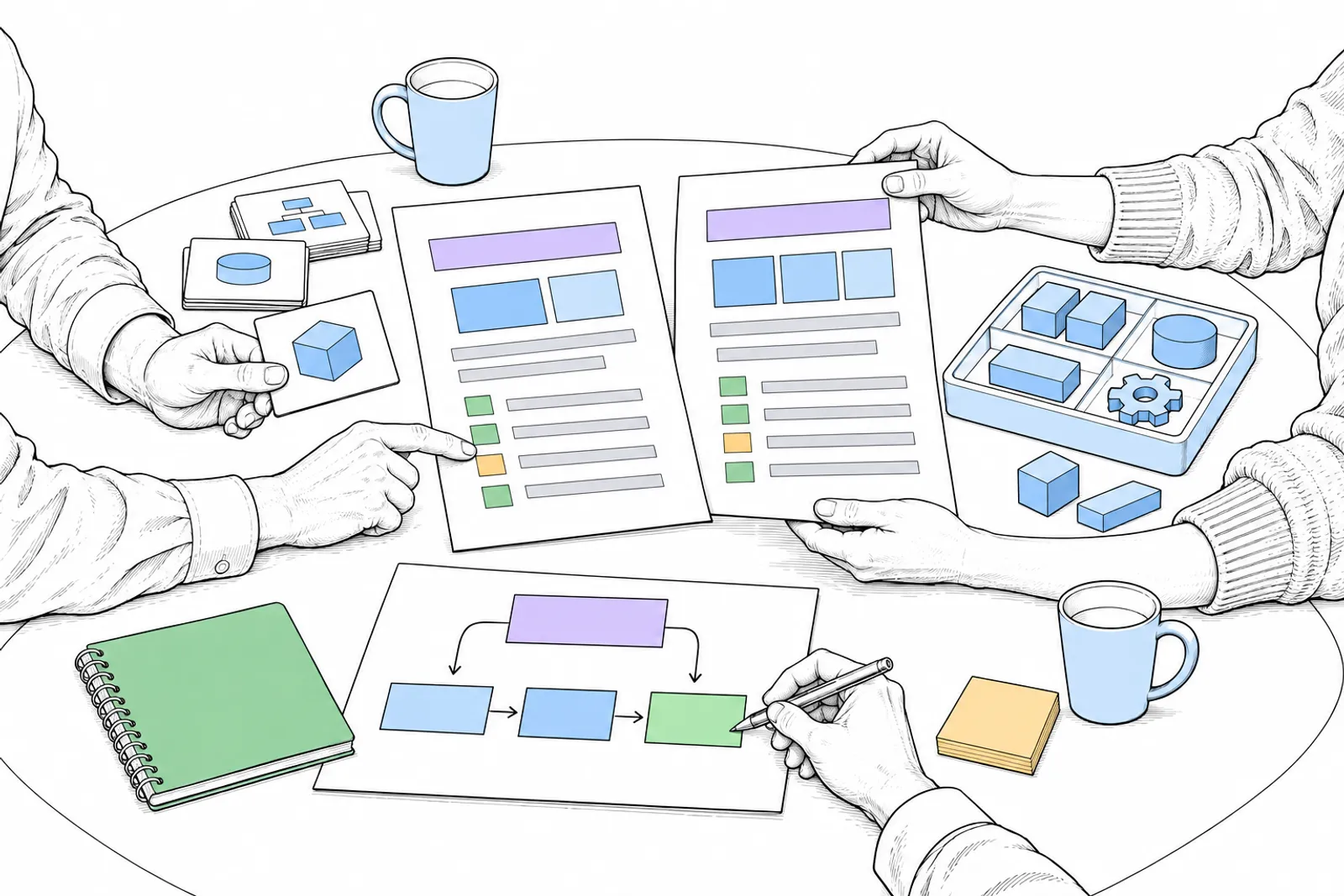
Our order for every new question:
- Is there a model or service that already does this well?
- Is there a fully open source tool, not open core?
- Which dependencies do you take in, and how do you get out again?
- Copy what exists with source and licence; only build what is missing yourself.
Also watch strong copyleft licences such as AGPL: they are open source, but they set conditions when you offer the software as a service. In a study of scrapers, we did not choose an AGPL tool for that reason.
What we can do with you: we first look for what already exists, read the licences, and only build what is missing. Book a conversation.