
Knowledge
How we build
From question to working software: the why first, then a clickable design, then the thinnest line that really works, and every step tested. Our whole process on one page.
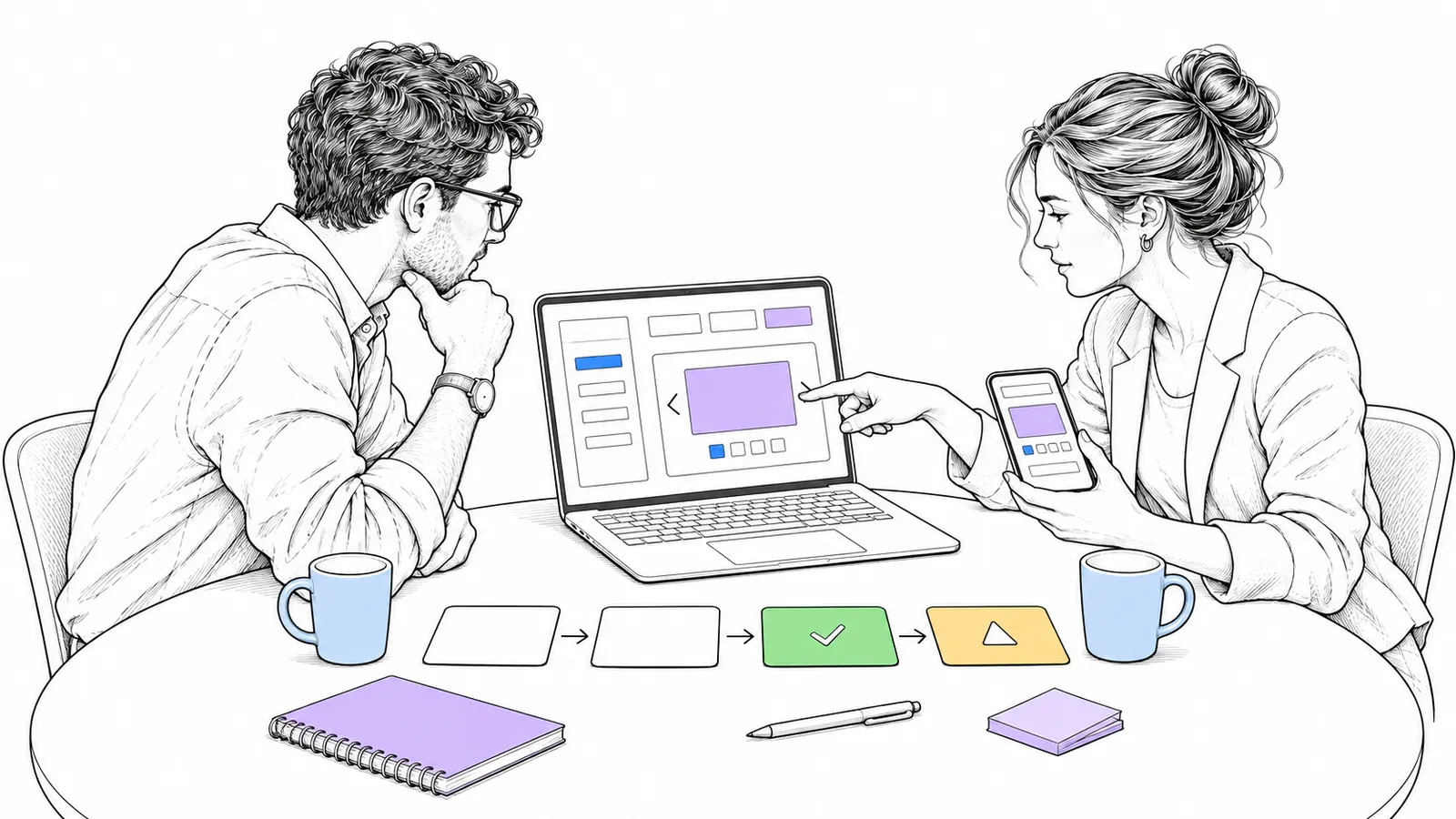
We build software with AI agents. The fast part is writing the code. The work is in the right question, a good design, and the proof that it works. This is our fixed route.
Plain technical English One session per project directs the work and talks with the owner. Subagents build the parts, each in its own git worktree, and a fresh agent reviews. A step is done when the test is green and the result can be seen as a link and a screenshot.
Why it matters
An AI agent makes a lot in an hour. Without a fixed route, it also makes a lot that nobody needed, or that is quietly broken. A fixed route makes the work predictable: you know what you get, and you can check it.
How it works
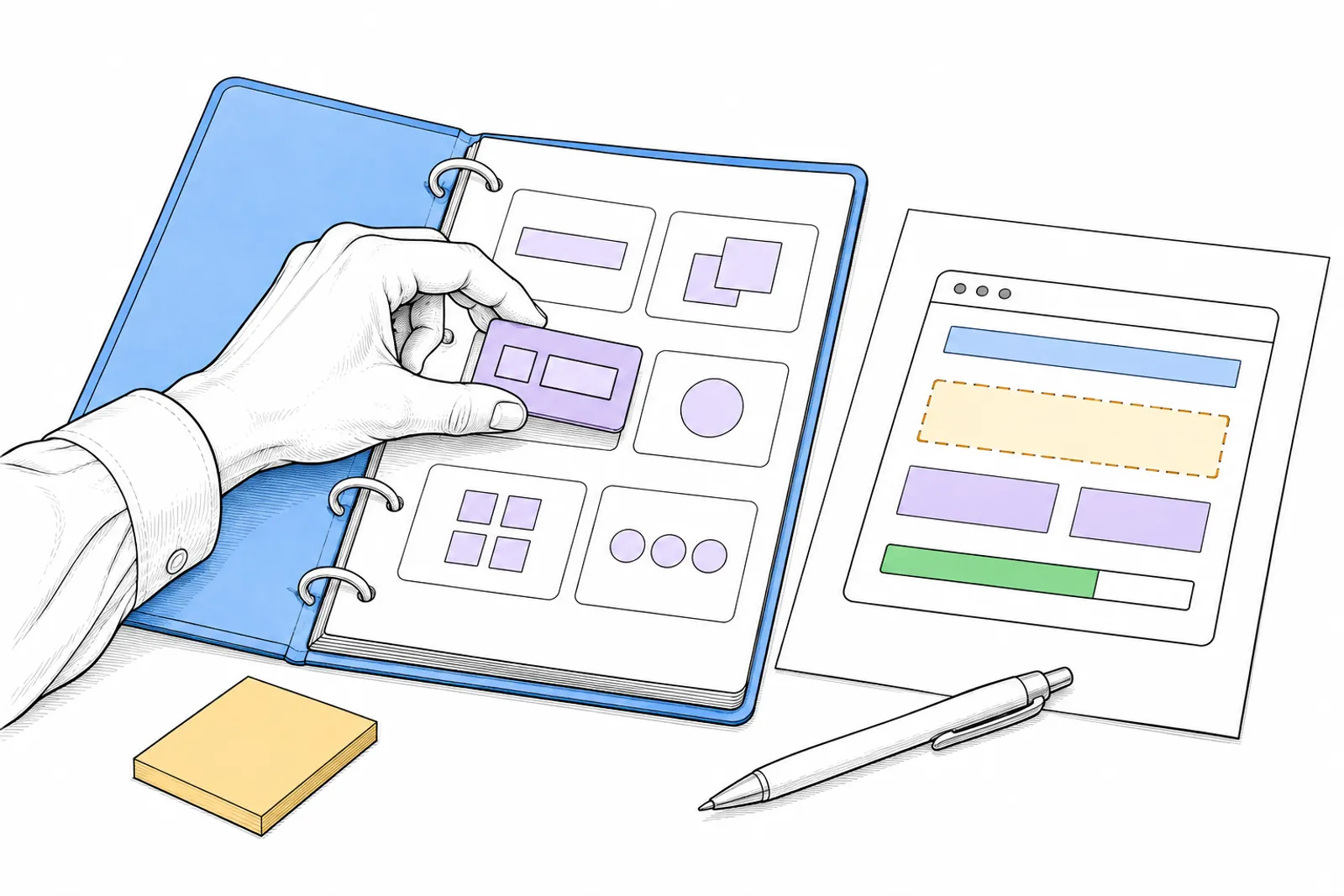
From the why to a design, then a first working line, and then small tested steps until it is live.

What you do
This is how we work, step by step:
- The why first. What must it deliver, and when is it done?
- Connect, unless. Does it already exist, as a service or as open source? Then we use that, with source and licence. We only build what is missing.
- A clickable design of the whole journey, which the owner approves.
- The thinnest line that really works, from input to screen, and live.
- Test first. Per step a test that fails first and then passes.
- Small commits. At most 400 changed lines and 10 files; a check keeps track of that.
- A fresh reviewer who did not see the work reviews it. For login, access rights or customer data, also a security review.
- Live with a check, and back automatically when the check fails.
- Learn. A correction becomes a lesson. If it comes back, it becomes a fixed rule or an automatic check.
The owner only decides about money, sending something outside, something irreversible, a new direction, or something only he can give. The agents decide everything else themselves, and report it.
What we can do with you: we build your software this way, or set up this way of working in your team. Book a conversation.