
History
three.js r171: WebGL and WebGPU apart
The 3D library of the web splits its entry points for WebGL and WebGPU, and gets its own file for TSL.
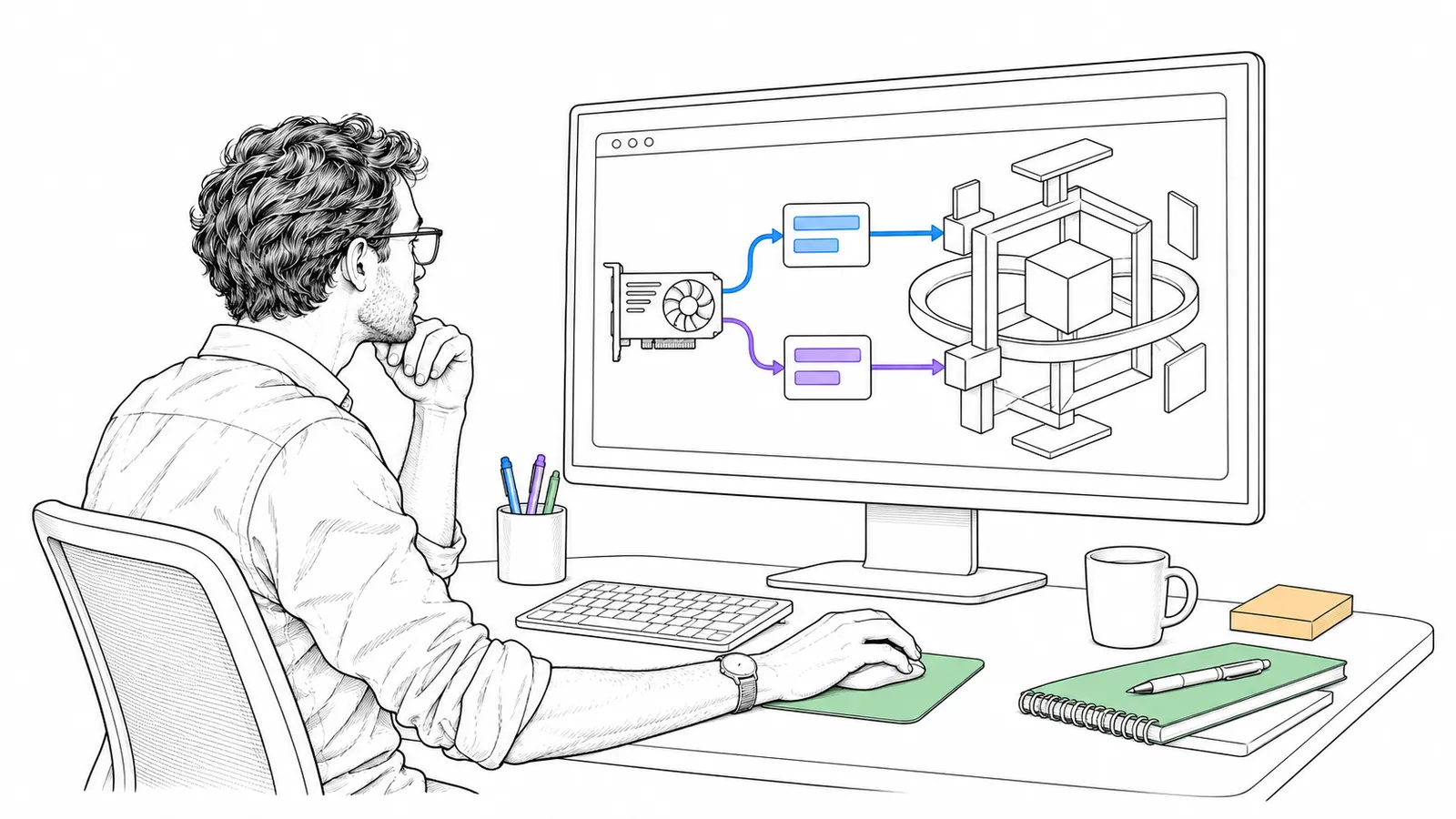
On 29 November 2024, three.js r171 comes out. three.js is a widely used open source library for 3D in the browser, under the MIT licence.
What happened
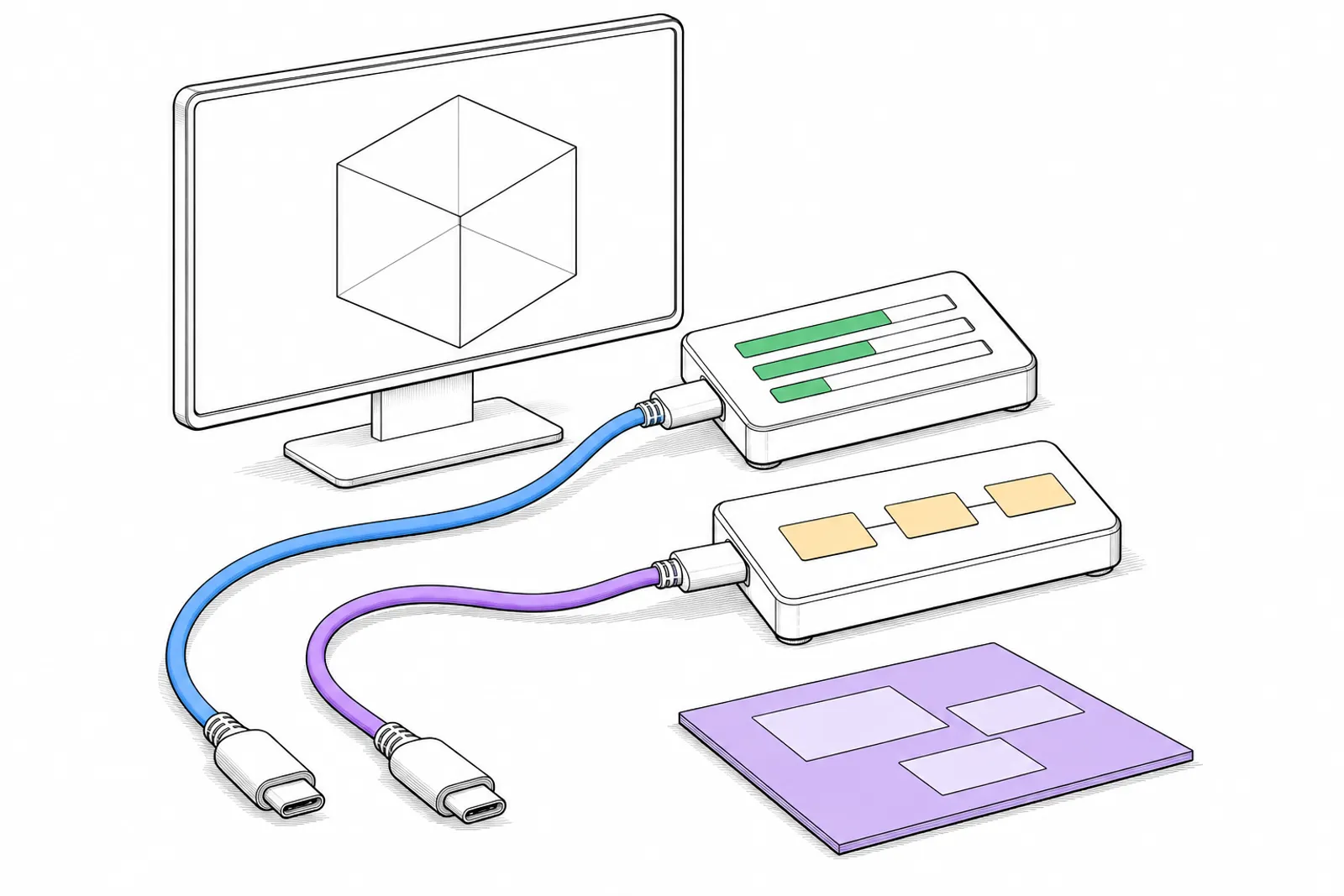
- The release notes name this as the first item: the entry points for WebGL and WebGPU are split (codesplit).
- There is a separate file for TSL, the language in which you write shaders in three.js:
three.tsl.js. - There are many small fixes to the WebGPU renderer.
- Each release comes with a migration guide that says what you must change in your own code.
Why it mattered
WebGPU is the new way to use the graphics card from the browser. When a major 3D library supports it well, normal websites can show heavier 3D.

What you can do with it now
Do you work with three.js? Read the migration guide at every update. Pin the version number and update on purpose, not by itself.
Written afterwards on 12 November 2026, from the sources below. Our source for the date is the time of the release on GitHub.